
El Cerrito Neighbors Around an Address
A block lookup works by stacking sources with different meanings. CCMAP shows nearby parcel geometry. Assessor and tax systems describe ownership or accounts. Permits and code records show address activity. Voluntary groups can provide a public contact role. Voter information is restricted and cannot become a casual block list. The coverage table keeps a neighbor clue tied to its real source.
| Source | What it shows about a block | Access |
|---|---|---|
| CCMAP | Target parcel, adjacent shapes, APNs, map orientation, configured layers | Free map browse |
| Assessor or tax account | Owner or account evidence per APN, assessment or payment clues | Public information, APN lookup, or office help |
| Permits and code records | Address activity, work, applicant, contractor, or public case material | eTRAKiT, department, or CPRA request |
| Voter data | Residence and precinct only under self-lookup or approved use | Not a casual block search |
| Neighborhood Watch or NNO | Voluntary organizer or public contact when published | No general member roster found |
| Historical reverse directory | Listed subscriber or occupant for a verified publication year | Exact local holdings unverified |
Start with one address and expand only to parcels that touch or sit near it. A ZIP can include a much wider delivery area and is not a block boundary.
Click Adjacent El Cerrito Parcels in CCMAP
Use the Contra Costa CCMAP map to search the target address and zoom until the parcel polygons are distinct. Select the target, then each touching or nearby polygon. Record APNs, compass orientation, jurisdiction, and any relevant layer. The verified public method is map browsing; no stable radius-export control was documented.
The map can show parcel geometry, lot or building clues, aerials, contours, and configured district or maintained-road layers. It does not publish owner names online because statutory redactions would be difficult to maintain. When an owner question matters, carry the APN to the Assessor’s public information service. When a historical question matters, carry the parcel reference to recorded maps or an archive.
Adjacent geometry gives a block its shape, but it does not give the block a resident roster. The next source must be chosen for the fact being tested.
CCMAP’s parcel view is the geographic starting point for an El Cerrito neighbors search. Use the map to make a short APN list, then stop asking the map for names it does not display.
Build El Cerrito Blocks from APNs
An APN is Contra Costa’s ten-digit parcel identifier in 123-456-789-0 form. It can join the map to a tax account, assessment evidence, recorded map, or deed search. Search each adjacent APN separately and keep the result tied to its parcel. A parcel may hold several units, a tax mailing address may differ from the situs, and an owner may not live nearby.
Use the assessor for ownership assistance and the Treasurer-Tax Collector for account status. Use RecorderWorks only after a name or APN bridge leads to the recorded instrument. The deed index is party and document based rather than a direct block browser. A full named-street chain belongs in the El Cerrito street directory workflow.
- Adjacent parcel
- A mapped parcel that touches or lies immediately near the target, not a guaranteed household boundary.
- Situs
- The physical parcel location used for address and map work.
- Mailing address
- The destination for tax or other notices, which may not be where the owner lives.
- APN
- The county land-record key used to keep parcel research attached to the right shape.
El Cerrito Owners and Occupants Differ
A neighbor lookup can establish that an owner, account, permit applicant, or listed subscriber is connected to a parcel or address. It cannot assume that the person occupies the property today. Renters, household members, guests, and many multiunit occupants are not reliably indexed in public parcel data. That distinction is essential around dense corridors and hillside parcels.
A tax mailing address outside El Cerrito is not proof that the owner lives elsewhere, and a professional or business address is not a home. Use a dated source label: owner of record, permit applicant, directory subscriber, or authenticated voter. The more precise label is safer and more useful than the word neighbor by itself.
| Owner of record | Party associated with an assessment or recorded interest, subject to custodian rules |
|---|---|
| Permit applicant | Person or entity tied to a building or planning submission |
| Directory subscriber | Listed telephone or reverse-directory connection for a publication year |
| Authenticated voter | Person checking their own registration through protected identifiers |
El Cerrito Permits and Code Records
Address activity can help explain what changed around the block. El Cerrito eTRAKiT provides public basic search for permits, planning and zoning, contractors, properties, inspections, licenses, and violations. The verified online property run begins in 2006. A complete or partial address can return a selected address and parcel number. Applications, payments, and documents require registration or the city’s stated route.
When a code case or older permit is not visible, use the department or a focused CPRA request. Public portions may be available while protected information is redacted. Permit activity dates work or review; it does not identify every neighbor. The applicant may be an owner, agent, contractor, or organization.
El Cerrito Voter Data Boundary
California My Voter Status is a self-lookup that asks for name, birth date, and protected license, ID, or last-four-SSN choices. It can return the authenticated voter’s registration status, address, party preference, language, polling place, and vote-by-mail or provisional status. It is not a public neighbor directory.
A voter-file request requires an approved purpose, documentation, certification, and identification. Elections Code sections 2188, 2194, and 18109 control access and use. Excluded fields include driver license and state ID numbers, last four SSN digits, unique identifiers, and signatures. A block-level request for ordinary curiosity is outside that boundary.
Protected voters, including Safe at Home participants, receive additional safeguards. Do not try to infer a substitute address or use a public result to defeat a confidentiality program.
El Cerrito Neighborhood Watch Context
El Cerrito’s Neighborhood Watch and National Night Out material can connect residents to a voluntary organizer or block-captain role when a public contact is published. The city did not provide a general member directory in the research. A public organizer is a consent-based organizational contact, not proof of every household on the block.
Use the city Neighborhood Watch information for program details and current contact routes. Do not infer membership from a parcel, a public meeting, or a name in a flyer. Community, religious, school, and chamber rosters are private unless the organization itself publishes them.
That distinction protects both the group and the person who volunteers to coordinate it.
El Cerrito Association Contacts and Rosters
No exhaustive official neighborhood-association or HOA inventory with public member lists was located. Separate a city program from a voluntary association, and separate a public contact from a private roster. A group may publish a meeting place, email, or organizer without publishing the names or addresses of its members.
For a civic question, contact the organization through its published channel and ask whether it has permission to share the needed information. For a property question, use the parcel and city records. For a historical question, use the library or archive. Do not treat a community directory as a substitute for a custodian-held record.
Protected El Cerrito Neighbor Data
California’s Safe at Home program supplies eligible participants with a substitute mailing address and forwarding service. Public records can therefore omit a true residence by design. California privacy rights also provide covered consumers with ways to know, delete, correct, or opt out of certain business data practices, but those rights do not erase a county deed or every government source record.
The Safe at Home program is one reason a missing neighbor name or address should not be treated as a search failure. Follow the official enrollment and contact route rather than trying to uncover a protected address. The California Consumer Privacy Act and CPRA also make business-held data a separate request path.
The official address-confidentiality program explains the substitute-address safeguard.
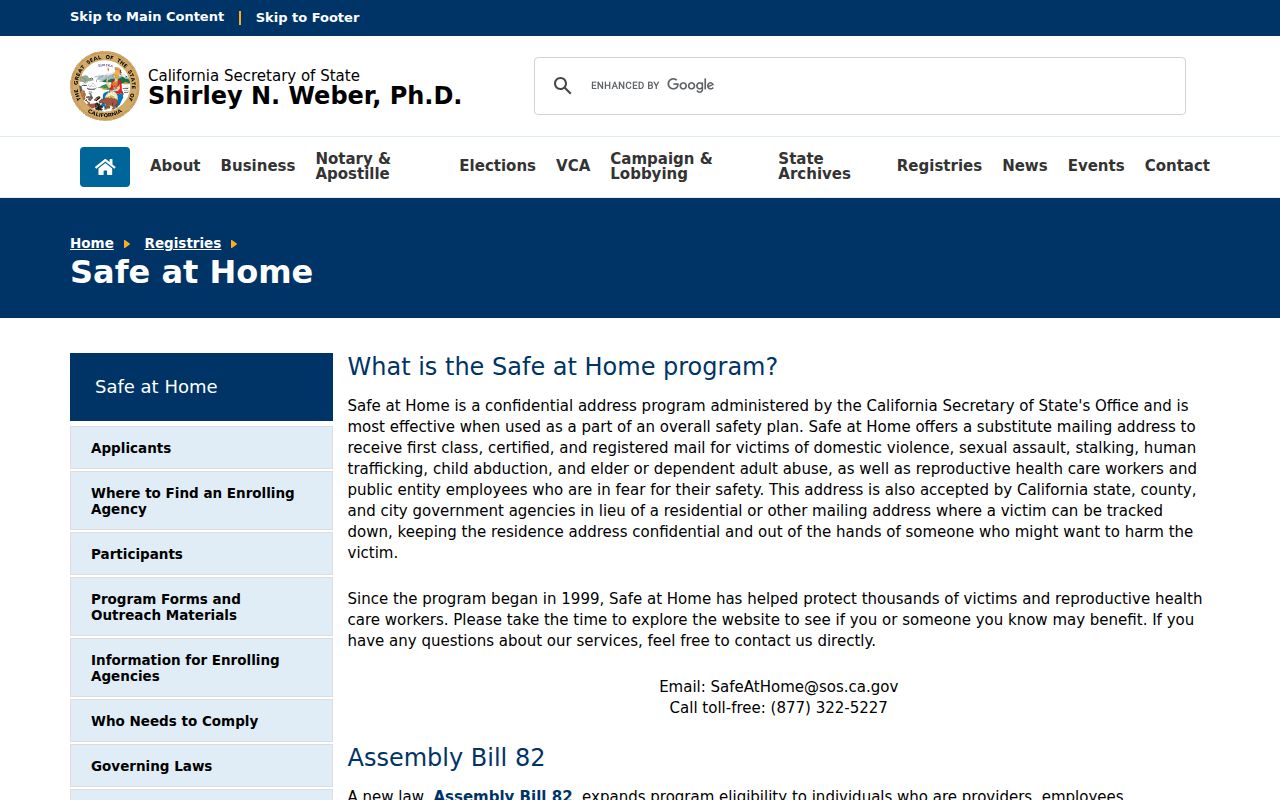
Use the program’s rules to understand an intentional gap, not to search around it.
The state privacy explanation shows why an El Cerrito neighbors search may end at a lawful boundary.
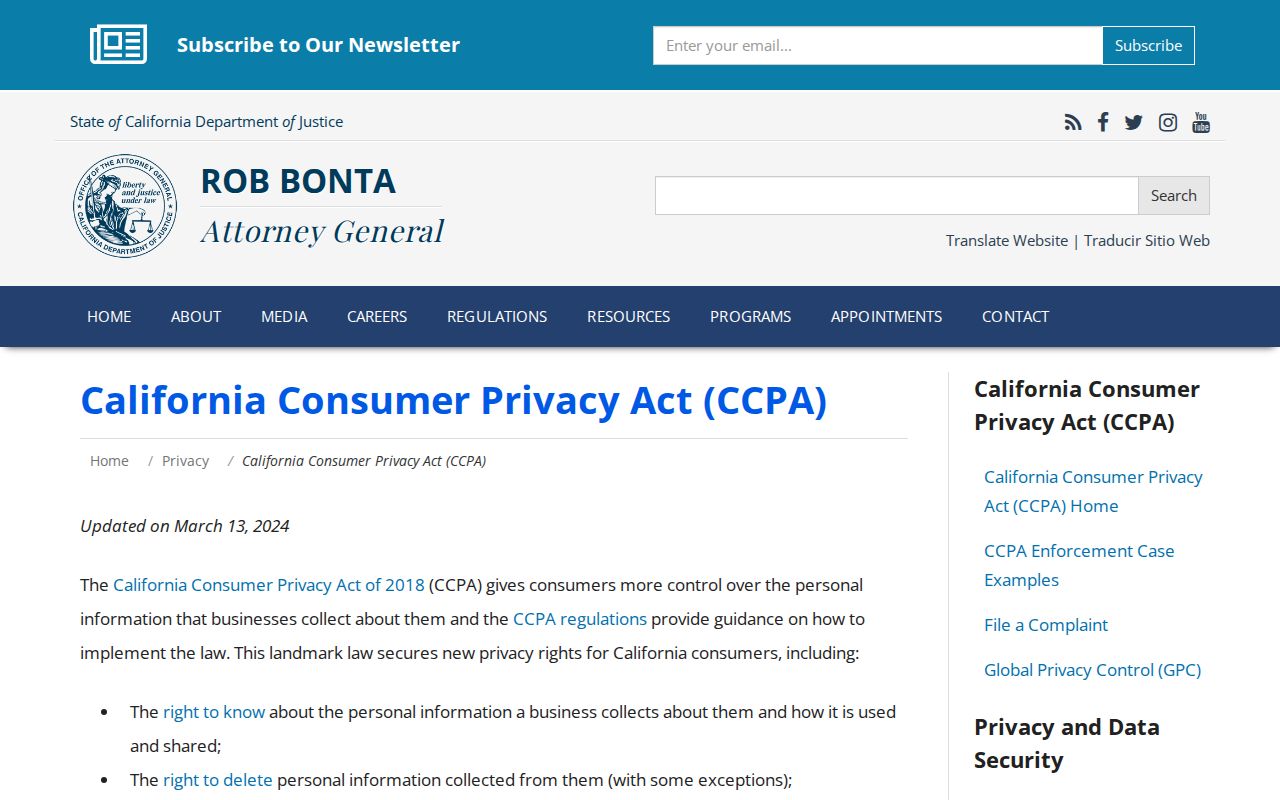
Privacy rights govern covered businesses and data practices; they do not turn a public map into a complete resident list.
Public registries also have defined fields and warnings. The California Megan’s Law website can disclose registry information in its own modes, but a registry result is not proof of current neighbor status, and its terms prohibit misuse or harassment. Treat custody, registry, and safety records as agency-specific records with their own limits.
The official registry warning is another reminder to use an agency record only for its stated purpose.
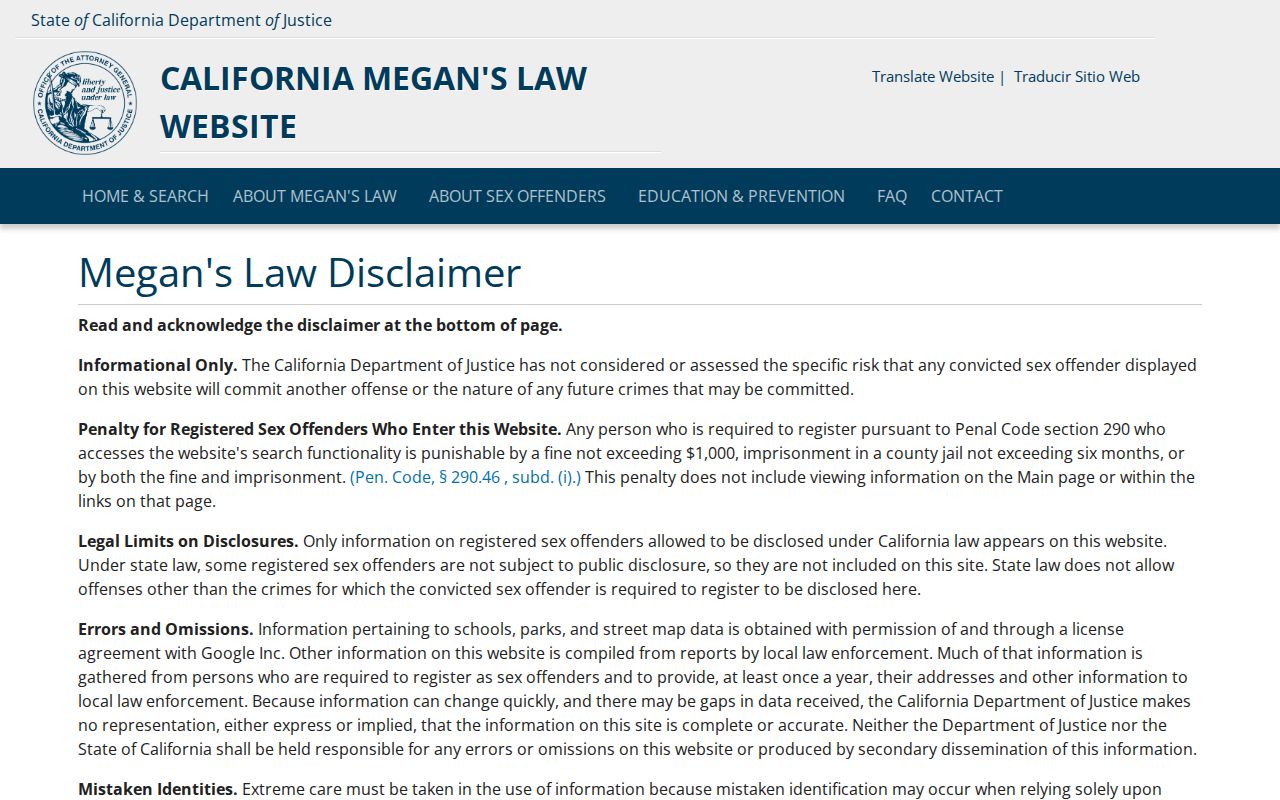
Do not republish sensitive details or use a safety record to contact or threaten anyone.
Official Rolls Versus Neighbor Tools
Commercial compilation tools may merge public and purchased data, lose provenance, or join two people with the same name. Official sources are slower because each one has a defined field set and custodian, but the limits are visible. Compare the category, then return to the primary source.
| Route | Strength | Weakness |
|---|---|---|
| Official parcel and deed records | Defined APN, legal description, party, and instrument fields | Owner is not necessarily occupant; address search can be indirect |
| Official map and permit records | Geography, work history, dates, and public application clues | Does not list every household member |
| Voluntary community contact | Consent-based organizer or public program connection | No public member roster was verified |
| Commercial compilation category | May surface a lead across several data sets | Stale, merged, paid, and difficult to verify |
Privacy Limits on El Cerrito Neighbors
DMV personal information is protected, utility and delivery records are not public directories, and household members may never appear in a parcel file. A neighbor search should end when the record’s public field ends. If a record is wrong, contact the custodian with the source and documentary proof rather than trying to correct it through a compilation.
California’s DROP service offers an official way to send certain data-broker deletion requests, but it cannot delete government source records. The California privacy deletion service is a separate route from CCMAP, the assessor, the court, or a deed index.
The deletion service illustrates the difference between a business-held profile and a public record held by a government custodian.
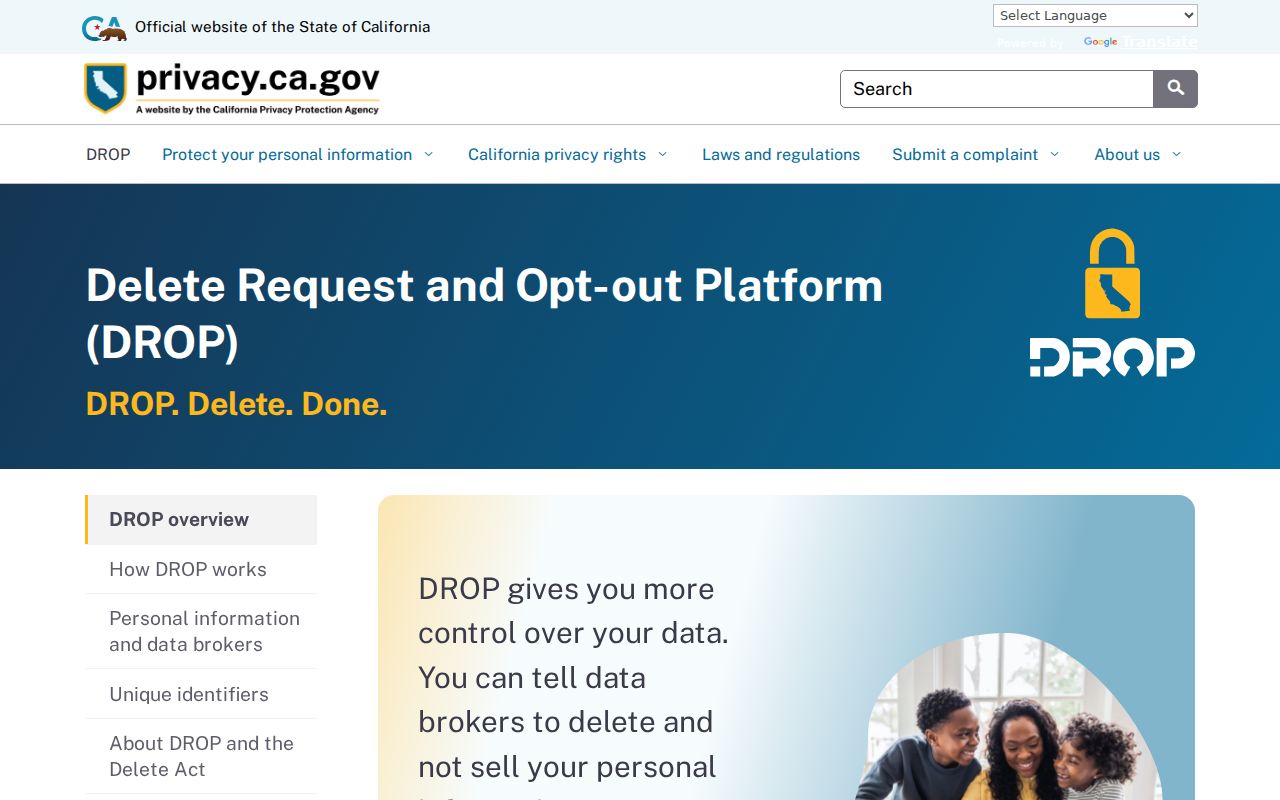
Use it for its stated data-broker purpose, never as a way to alter a parcel or expose a protected person.
Lawful use. El Cerrito neighbors research is appropriate for personal, lawful block history, civic participation, and property curiosity. It never authorizes stalking, harassment, intimidation, unwanted surveillance, or harm.
A responsible block lookup can identify shapes, APNs, public activity, and voluntary contacts while leaving private household information private.